
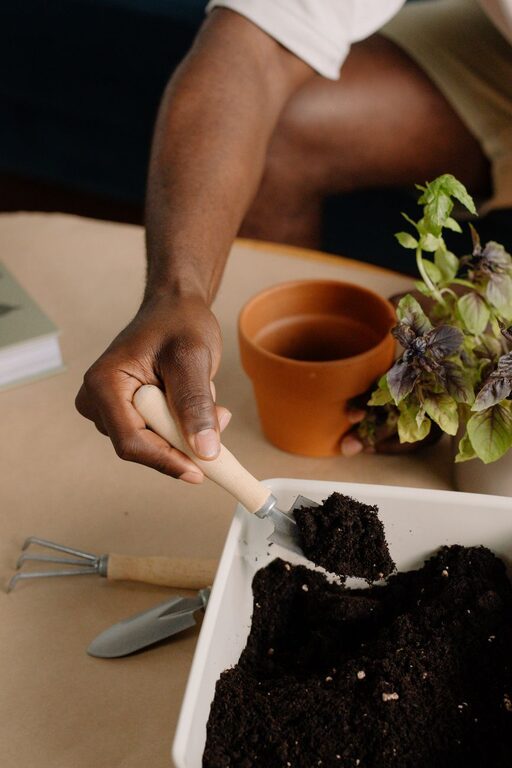
Creating a small herb garden indoors is a rewarding and practical way to bring fresh flavors to your meals while adding a touch of greenery to your living space. Whether you have a large sunny window or a cozy apartment nook, growing herbs inside is easier than you might think. This guide will walk you through everything you need to know to start your own indoor herb garden successfully.
Why Grow Herbs Indoors?
Growing herbs indoors offers many benefits. Fresh herbs are always at your fingertips for cooking, and growing your own can save money compared to buying fresh herbs at the store. Indoor herb gardens also improve air quality and add a natural, calming element to your home decor. Plus, they’re a great hobby for beginners and experienced gardeners alike.
Choosing the Right Herbs for Indoor Gardening
Not all herbs thrive indoors equally. When selecting herbs for your indoor garden, consider varieties that do well in pots and can tolerate indoor conditions:
– Basil: Loves sunlight and warmth, ideal for sunny windowsills.
– Mint: Easy to grow but can be invasive, so keep it in its own pot.
– Parsley: Prefers indirect light and cooler temperatures.
– Chives: Great for small pots and tolerant of varying light.
– Thyme: Needs bright light and well-drained soil.
– Oregano: Likes warmth and plenty of sunlight.
– Cilantro: Requires cooler conditions and regular watering.
Selecting Containers and Soil
The container you choose impacts your herbs’ health. Here’s what to look for:
– Size: Start with 4 to 6-inch pots for individual herbs. Larger pots allow more root growth.
– Material: Ceramic, plastic, or terracotta pots work well. Terracotta pots help with drainage but may dry out faster.
– Drainage: Ensure pots have drainage holes to prevent waterlogging.
– Soil: Use a high-quality, well-draining potting mix formulated for indoor plants. Avoid garden soil, which can be too dense.
Finding the Perfect Spot
Herbs need light to thrive indoors. Most herbs prefer at least six hours of sunlight daily.
– Sunny window: South-facing windows usually provide the best light.
– Supplemental lighting: If natural light is limited, consider using a grow light designed for plants.
– Avoid drafts: Keep plants away from cold drafts or heating vents.
Planting Your Herb Garden
You can start your indoor herb garden from seeds or buy young plants from a nursery.
Starting from Seeds
– Fill your pots with potting soil, leaving about an inch of space at the top.
– Plant seeds according to the packet instructions—usually around ¼ inch deep.
– Water gently and cover with plastic wrap or a clear lid to create a greenhouse effect.
– Place pots in a warm, bright location.
– Remove the cover once seeds sprout, usually within 7 to 14 days.
Using Nursery Plants
– Gently remove the plant from its nursery container.
– Loosen the roots slightly with your fingers.
– Plant in your prepared potting mix, filling around roots and pressing soil gently.
– Water the plant until water flows from drainage holes.
Caring for Your Indoor Herb Garden
Proper care will keep your herbs healthy and productive.
Watering
– Most herbs prefer their soil to dry out slightly between waterings.
– Check soil moisture by sticking your finger about an inch deep; water if it feels dry.
– Avoid overwatering, which can cause root rot.
Feeding
– Use a balanced liquid fertilizer once a month during the growing season.
– Dilute fertilizer to half the recommended strength to avoid burning herbs.
Pruning and Harvesting
– Regularly pinch or trim herbs to encourage bushier growth.
– Harvest leaves from the top, avoiding cutting more than one-third of the plant at a time.
– Use fresh herbs often or dry them for later use.
Monitoring for Pests
– Indoor herbs can attract pests such as aphids or spider mites.
– Inspect plants regularly and wipe leaves with a damp cloth.
– Use natural insecticidal soap if needed, following product instructions.
Troubleshooting Common Issues
– Leggy plants: This usually means not enough light. Move herbs to a sunnier spot or provide supplemental light.
– Yellowing leaves: Could indicate overwatering or nutrient deficiency.
– Slow growth: May be due to insufficient light, poor soil, or lack of nutrients.
Additional Tips for Success
– Rotate pots weekly to ensure even light exposure.
– Clean pots and tools regularly to prevent disease.
– Experiment with different herb combinations to find what works best for you.
Conclusion
Starting a small herb garden indoors is a fulfilling way to enjoy fresh herbs all year long. With the right selection of herbs, proper care, and a sunny spot, you can create a flourishing kitchen garden that adds flavor and freshness to your home. Happy gardening!